- Origin
- Southeast Asia
- Family
- Rutaceae
- Taste
- Deeply sweet with a honeyed, spicy edge
About this Tangerine
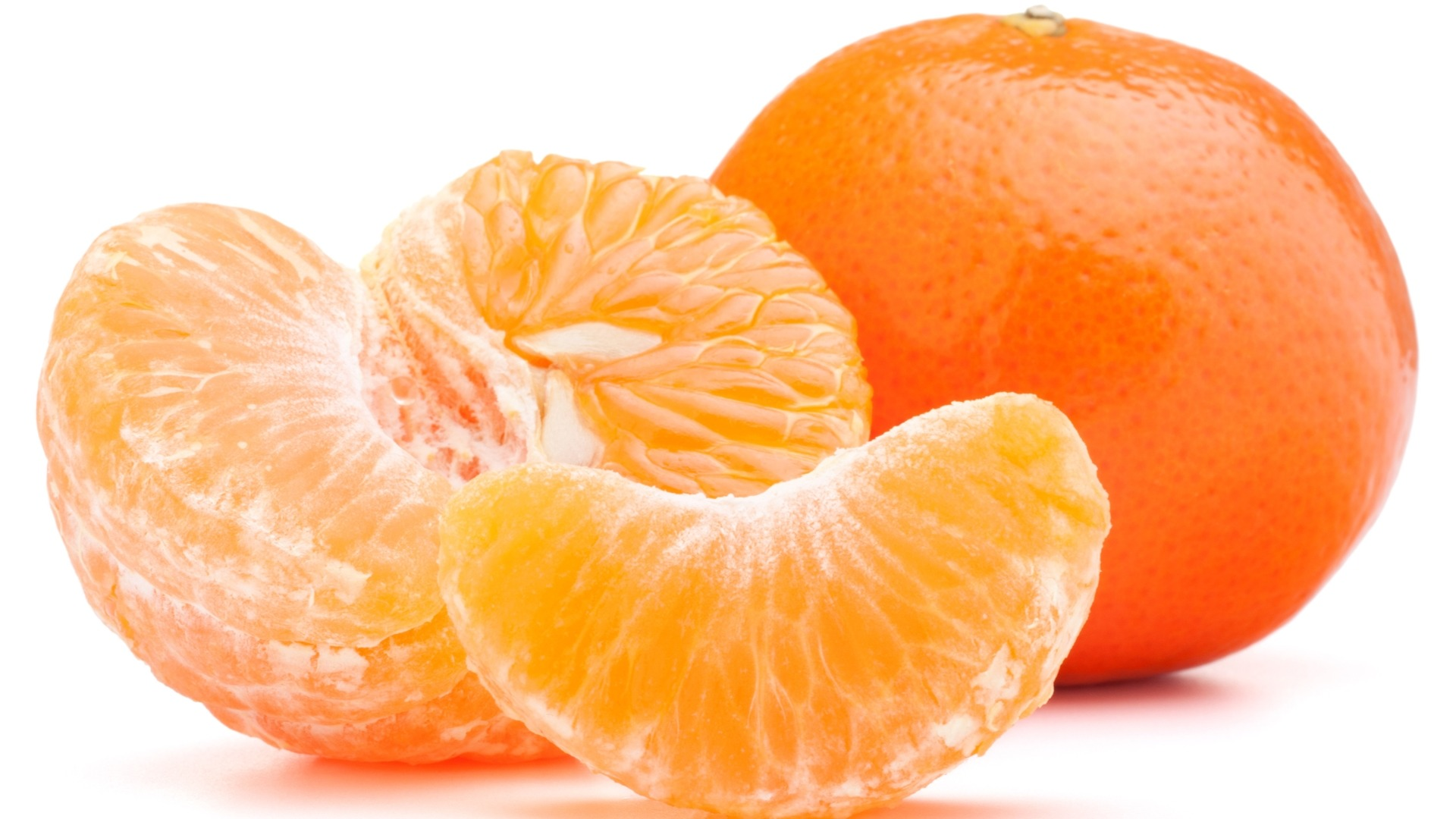
The tangerine is a variety of mandarin orange that arrived in Europe and North America via the Moroccan port of Tangier — hence the name. It is distinguished by a deep orange-red skin that is looser and easier to peel than the common orange, with a richer, more aromatic flavor.
In the United States, 'tangerine' became a blanket term for all loose-skinned mandarins, blurring the distinction between tangerines, clementines, and satsumas. Botanically, all are Citrus reticulata cultivars.
How to grow
Subtropical (zones 9–10); slightly more cold-tolerant than sweet orange. Needs sandy, well-drained soil and plenty of sun. Drought-tolerant once established but benefits from summer irrigation. Grafted trees bear in 2–3 years; prune to open the canopy.
How to eat
Easy to peel and segment. Eat fresh, add to salads, or use zest and juice in recipes and drinks.